2025 Class
The esteemed list of inductees includes some of the most notable names in folk, Americana, and roots music history. Collectively, they’ve earned more than 30 Grammy Awards and countless other honors, cementing their legacy in music history.
Legacy Artists
A legacy artist is a performer whose initial impact on the genre was at least 45 years prior to the year of Induction.
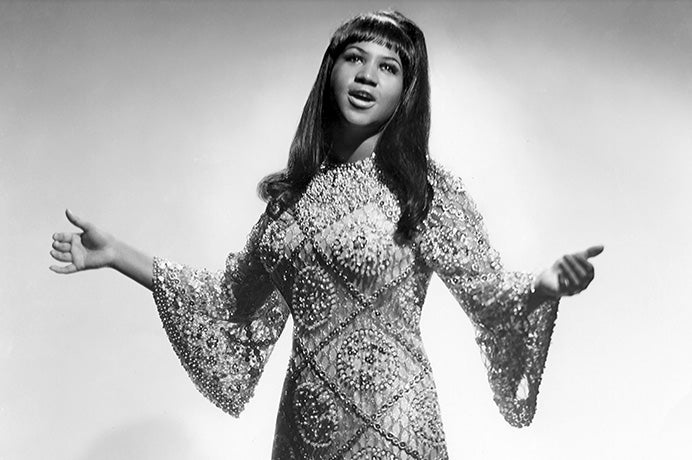
Aretha Franklin
Aretha Franklin (1942–2018), the Queen of Soul, was a powerhouse vocalist whose career began in gospel and expanded into R&B, pop, and soul. With anthems like “Respect” and “Chain of Fools,” she became a cultural icon and the first woman inducted into the Rock & Roll Hall of Fame.

Leonard Cohen
Leonard Cohen (1934–2016) was a Canadian singer-songwriter, poet, and novelist known for deeply introspective songs such as “Suzanne” and “Hallelujah.” A literary and musical icon, his work bridged folk, rock, and spiritual reflection, influencing generations of songwriters.
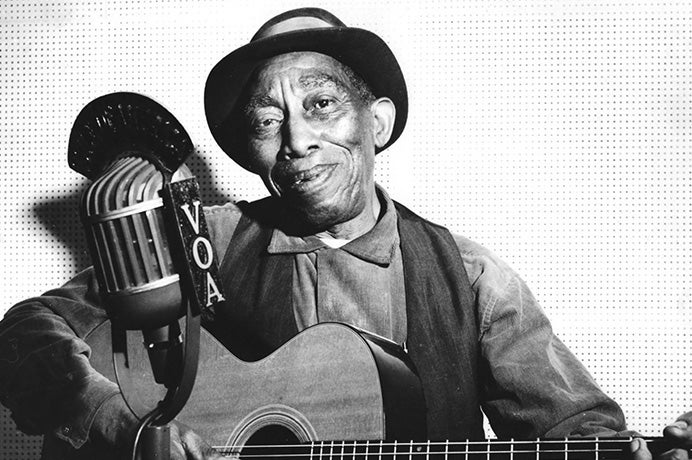
Mississippi John Hurt
Mississippi John Hurt (1893–1966) was a country blues singer and guitarist known for his gentle fingerpicking and kind demeanor. Rediscovered during the 1960s folk revival, his recordings became foundational for generations of acoustic blues and folk musicians.
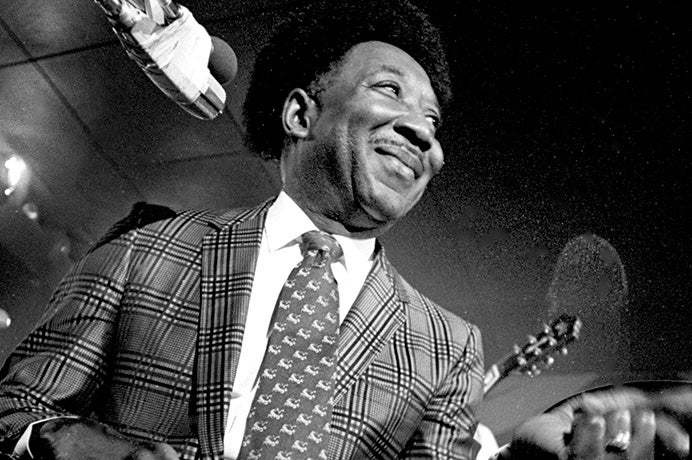
Muddy Waters
Muddy Waters (1913–1983) was a Chicago blues giant who electrified Delta blues and inspired the British Invasion. His raw vocals and slide guitar playing made him a towering influence on rock and modern blues.
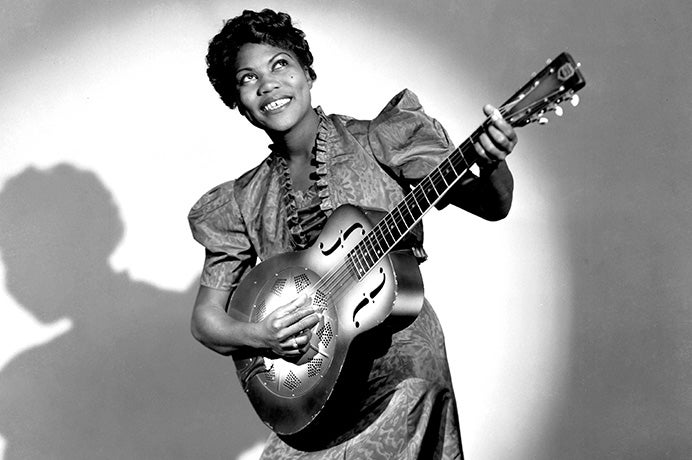
Sister Rosetta Tharpe
Sister Rosetta Tharpe (1915–1973) was a gospel singer and guitarist whose electric guitar work laid the groundwork for rock and roll. Known as the “Godmother of Rock and Roll,” her trailblazing fusion of gospel and rhythm inspired generations.
Living Artists
A living artist is a contemporary performer whose initial impact on the genre was at least 25 years before the year of Induction.
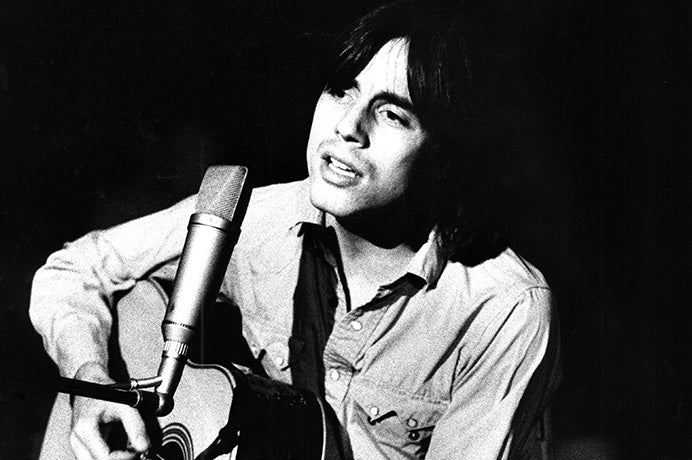
Jackson Browne
Jackson Browne is a singer-songwriter known for his introspective lyrics and deeply humanistic perspective on life and politics. Emerging from the Southern California folk-rock scene, his albums like Late for the Sky and Running on Empty solidified his role as a voice of his generation.
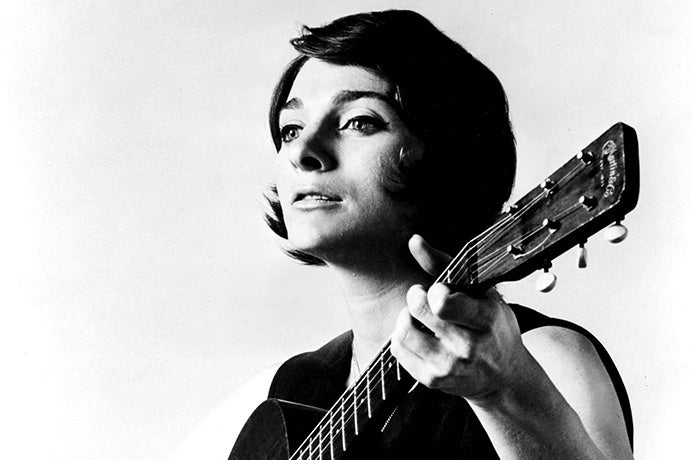
Judy Collins
Judy Collins helped define the 1960s folk revival with her crystalline soprano voice and interpretations of songwriters such as Joni Mitchell and Leonard Cohen. She has remained an enduring and elegant presence in folk music for more than six decades.
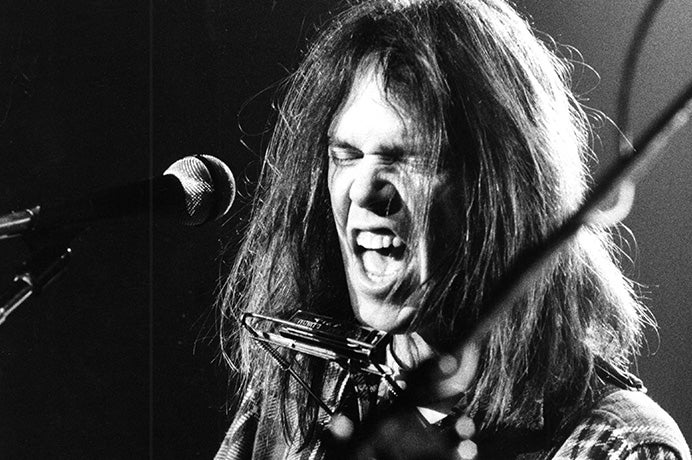
Neil Young
Neil Young has continuously reinvented himself while anchoring his work in folk and protest traditions. With a vast catalog that spans acoustic introspection and electric fury, he remains a vital voice in social commentary and musical exploration.

Tom Paxton
Tom Paxton is one of the foundational figures of the 1960s Greenwich Village folk scene. With classics like “The Last Thing on My Mind,” he has combined humor, protest, and sentiment in a body of work that spans over 60 years.
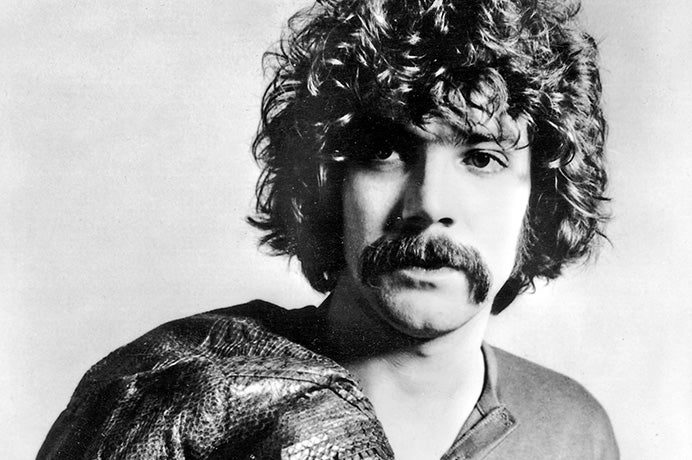
Tom Rush
Tom Rush is a folk-blues singer-songwriter whose warm voice and storytelling style helped popularize emerging artists like Joni Mitchell and James Taylor in the 1960s. His influence extends deeply into the singer-songwriter tradition.
Industry/Non-Performer
Honors those whose creative or technical contributions shaped the sound and legacy of American music.
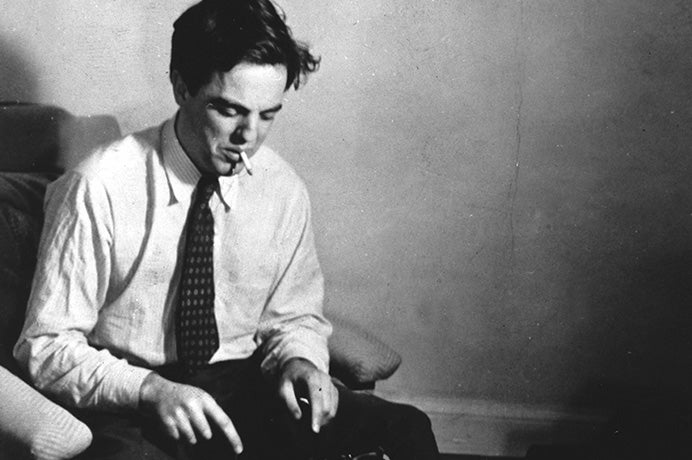
Alan Lomax
Alan Lomax (1915–2002) was a folklorist, ethnomusicologist, and field recorder who traveled the U.S. and the world to document traditional music. His archive of recordings preserved the voices of countless folk, blues, gospel, and world artists and laid the foundation for modern folk scholarship.
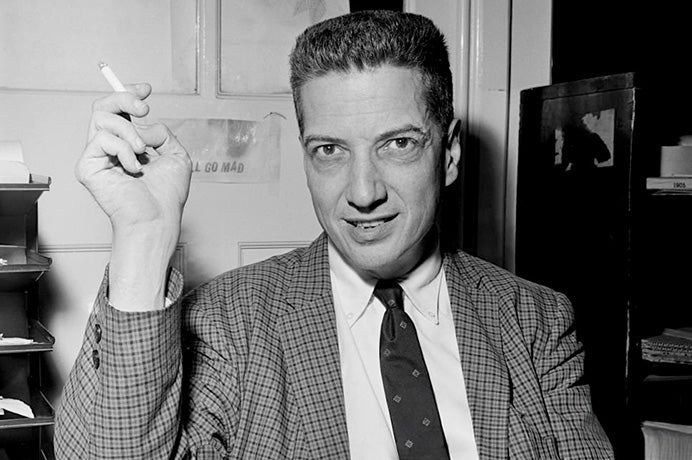
John Hammond
John Hammond (1910–1987) was a legendary record producer and talent scout whose discoveries shaped American music. He was instrumental in launching the careers of Bob Dylan, Billie Holiday, Pete Seeger, Aretha Franklin, and Bruce Springsteen — bridging folk, blues, and jazz with social conscience.